01
Mamá Mambo
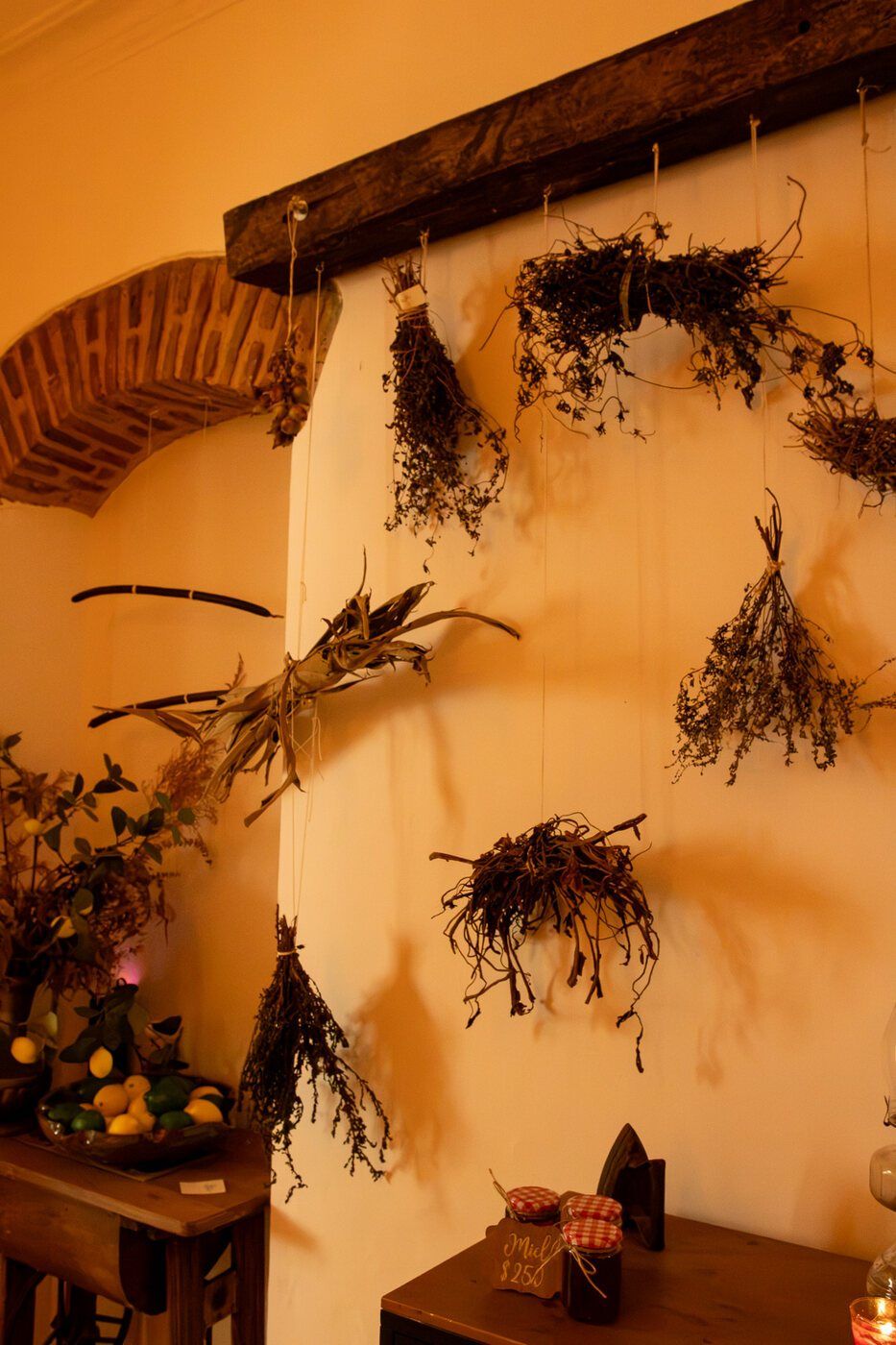
Mamá Mambo was the matriarch of the family. She was born of mixed roots, to a Spanish mother and a Haitian father, and she was a healer: she knew which plant helps with which pain, which tea soothes and which food comforts. For her, cooking, healing and caring were a single gesture. The house takes its name from her.
02
Maribel Feliz Saldaña
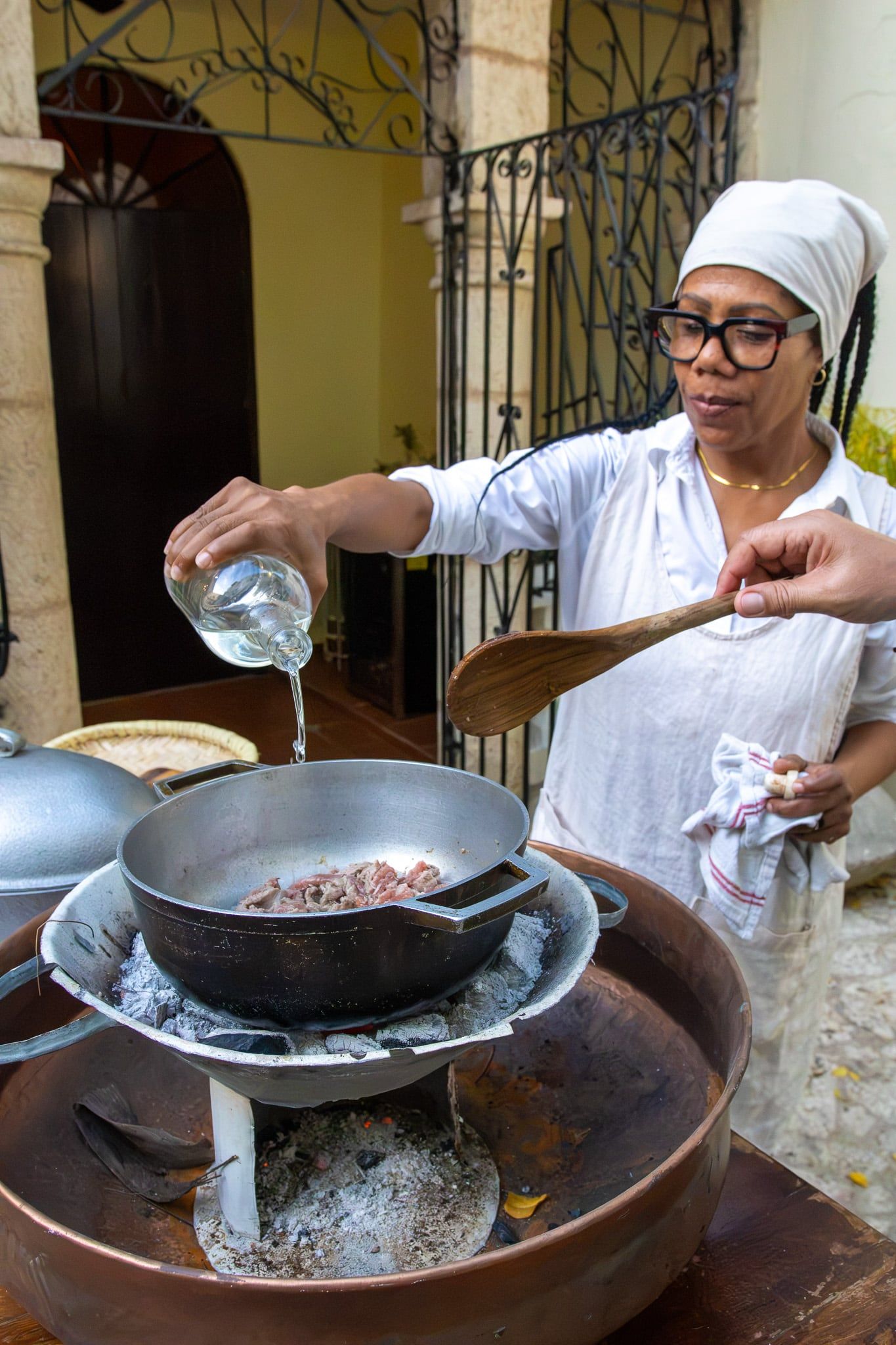
Her daughter, Maribel, was born in Bahía de las Águilas and trained as a chef in Emilia-Romagna, Italy, where she learned fresh pasta, hand-rolled sfoglia and the rhythm of a kitchen made for sharing. When she came back to Santo Domingo, she brought both cuisines with her: Mamá Mambo's and Italy's.
03
Giulia Dalmonte Feliz
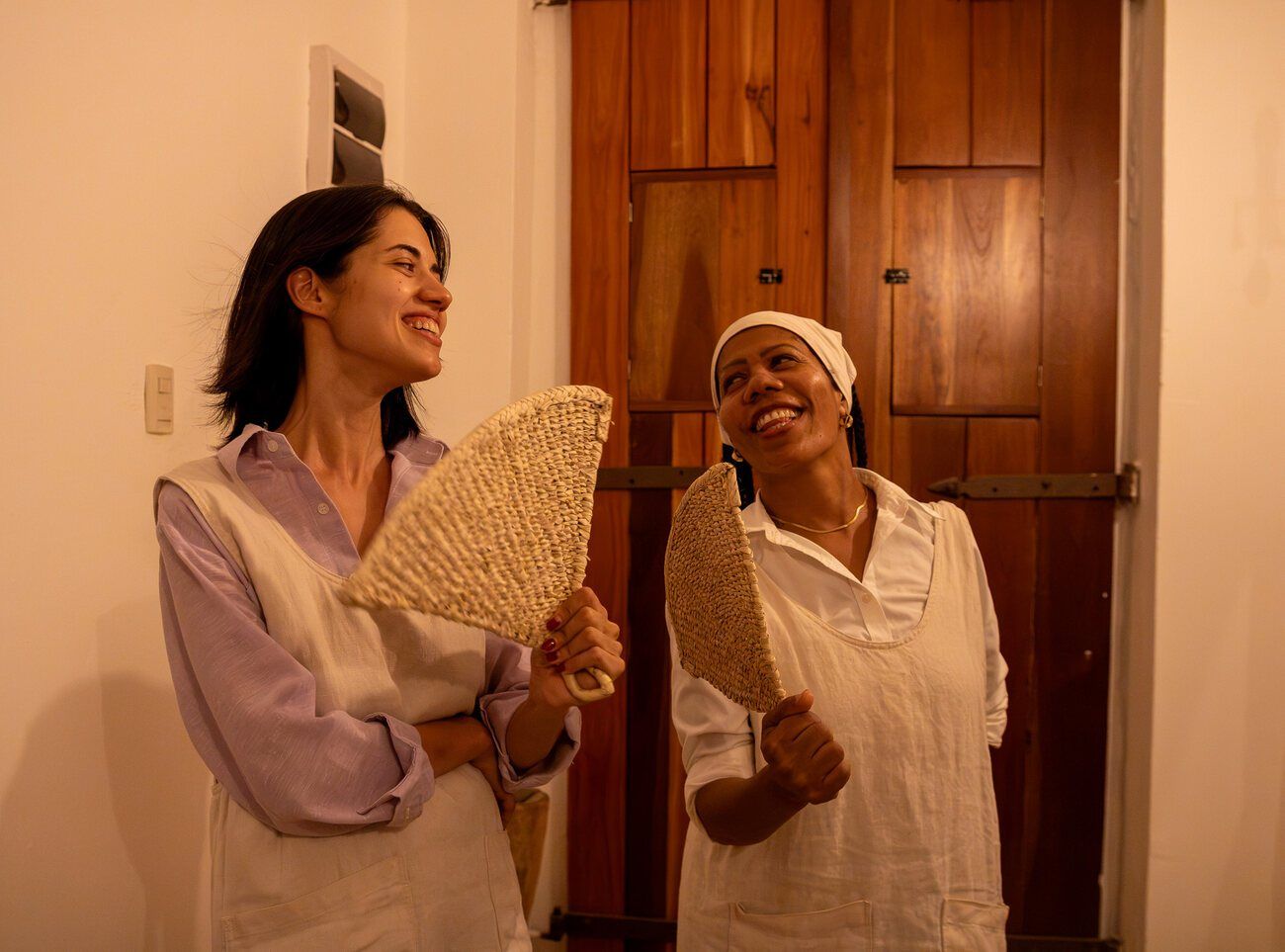
Maribel's daughter, Giulia is an Italian-Dominican cultural anthropologist and researcher. She looks after the cultural side, the story told at every table and the house's partnerships.
04
The house
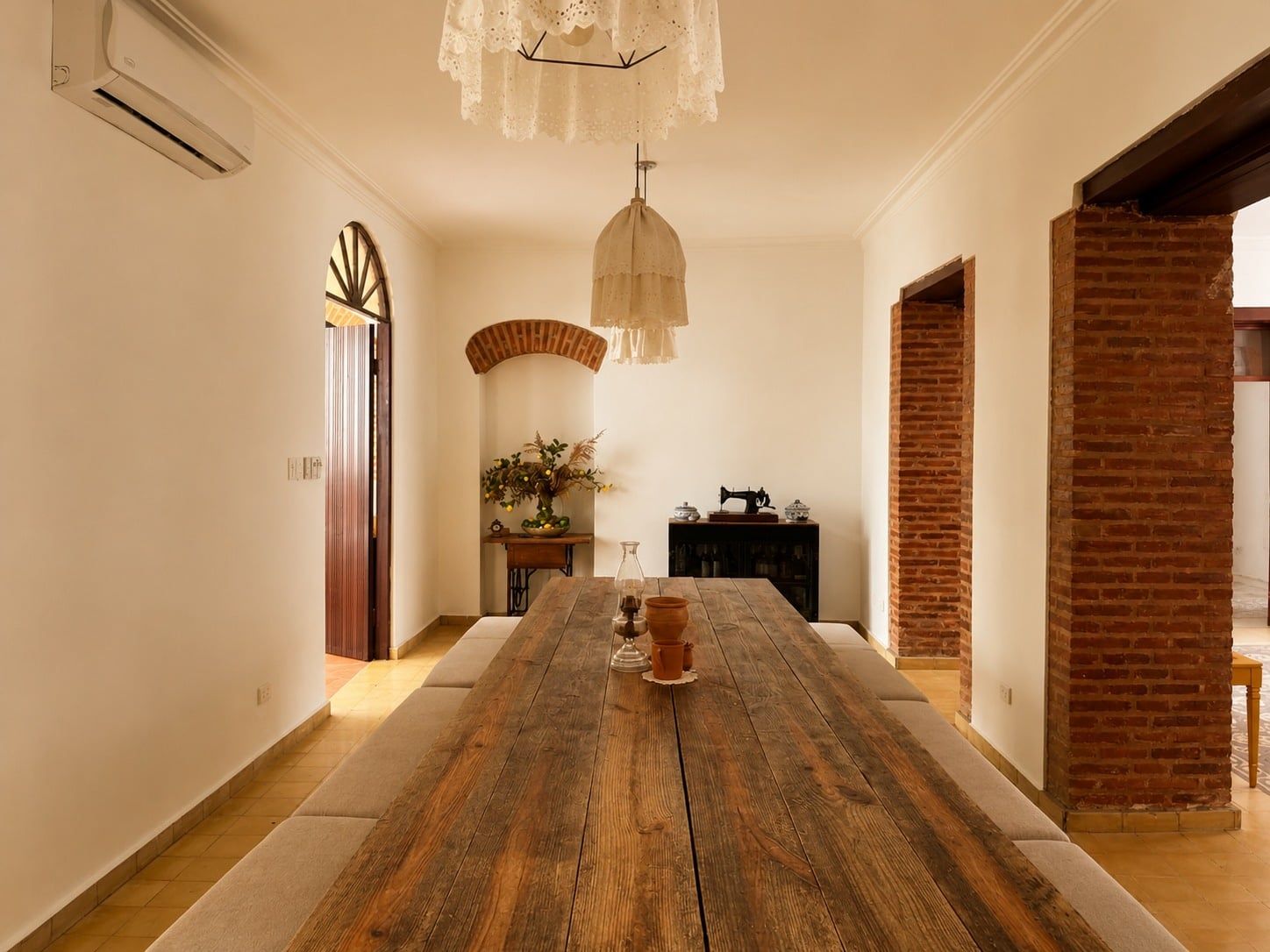
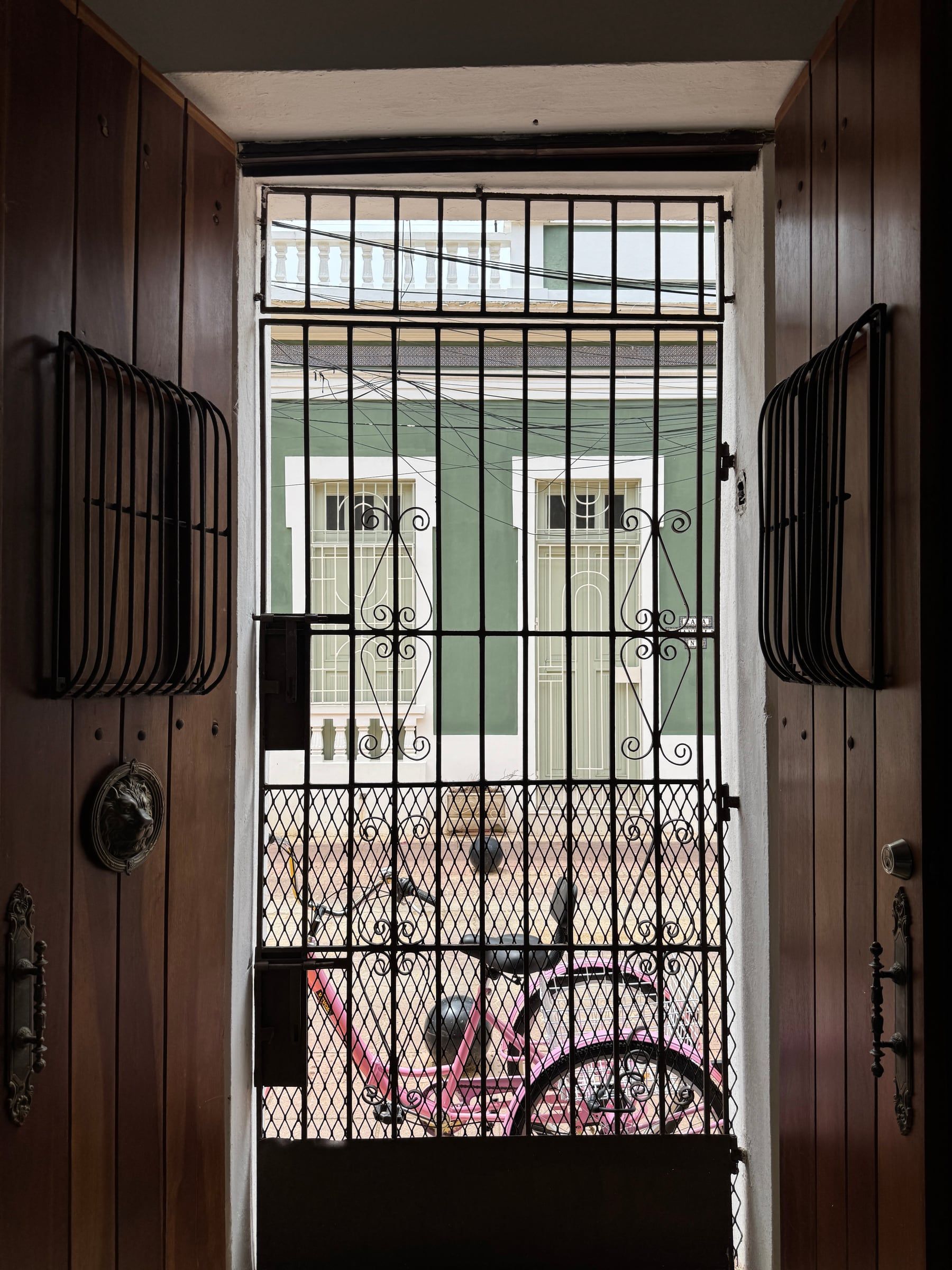
Together they opened a culinary lab and cultural house in a 16th-century home in the Colonial City, a UNESCO World Heritage Site: a place where people cook with their hands, learn where each ingredient comes from, and eat at a long table with strangers who end up feeling like family.